Edition 2
Oct 2, 2025

Bath Business Newsletter Second Edition
Powered by Barebone AI - Your Personal Team of AI Wall Street Analysts
Business Snapshot 📷
US support gives Argentina breathing room, but Latin America still faces weak growth and high debt.First Brands’ sudden bankruptcy shows how heavy debt and risky financing can bring down even big names, shaking confidence in private credit. Tokenisation gains momentum with banks and stablecoins, though regulation lags behind. Silicon Valley is reeling from a new $100,000 visa fee that could shut out global talent and hit smaller start-ups the hardest.
Read more on this below…
Economics 📈
US Support Puts Argentina Back in the Spotlight
Last Wednesday Scott Bessent, current US Treasury Secretary, announced that the US was ready to support Argentina with a $20bn swap line and the purchase of dollar-denominated Argentinian bonds. The World Bank also announced the acceleration of up to $4bn in public and private funding towards Argentina. Markets have reacted positively with a rise in Argentinian stocks, the Peso and bond prices[1], however this optimism may only be short lived, as this swap line is unlikely to be a long-term solution.

Javier Milei, President of Argentina, is seen as a hard-line libertarian who has cut through regulations and slashed government spending. His ‘shock therapy’ has achieved some success with monthly inflation falling from 25% to 2%[2]. However his austerity measures have battered the economy elsewhere with thousands of jobs lost. This was recently experienced when his party experienced a major blow in local elections, which sent Argentinian investors into panic.
The $20bn swap line would see the US Treasury exchange US dollars for Argentinian pesos, which gives the Argentinian economy the ability to stabilise and restore market conditions. Argentina had long held an $18bn swap line with China through the People’s Bank of China, which was meant to last until mid-2026[3]. The US offering its own swap line could be seen as an attempt to draw Argentina away from China and the BRICS bloc. Given that the nation holds 21.5% of global lithium reserves[4], Argentina could be a key front for the EV fight between the US and China, explaining their continued support for the country.
However, Argentina is not an isolated case, Latin America faces a predicament of slowing growth, high debt burdens, and commodity dependence. Growth in Latin America is expected to remain low at around 2% in 2025 and 2026, with specific issues including restrictive monetary policy in Brazil and weak industrial production in Mexico[5]. At the same time, Latin America is expected to be the area least impacted by Donald Trump’s tariffs, which could generate FDI and boost production.
Whether this support marks a turning point or simply buys Argentina more time, its path will be watched closely across the region.
Business 💼
How Debt Undid First Brands

First Brands’ abrupt collapse has sent a jolt through the auto parts and private credit markets, exposing how opaque financing can undermine even large manufacturers. The Ohio-based company filed for Chapter 11 bankruptcy in late September 2025, disclosing more than $10 billion in liabilities and revealing serious questions about its off-balance-sheet debt practices[6]. This unsustainable capital structure ultimately destroyed lender confidence and blocked critical refinancing efforts.
What made First Brands’ downfall so dramatic was not just its size, but the complexity and risk buried in its accounting. The company heavily relied on invoice factoring and inventory-backed financing to fund operations. Now investigations are probing whether the same invoices were pledged multiple times, a practice known as “double pledging”, which would breach financing agreements with lenders[7]. A special committee has been formed, working with restructuring advisers, to untangle these arrangements[9].
Behind the collapse lies a tale of over-ambitious growth fuelled by debt. First Brands had attempted to secure a $6 billion refinancing deal just weeks before filing for bankruptcy, under a narrative that it was financially stable. Instead, what emerged was a liquidity crunch: the company had only around $14 million in cash when creditors seized $27 million in working capital[7]. Lenders that once vied for exposure to its debt are now scrambling to protect themselves in a collapse that has rattled confidence in private credit.
The ripple effects are significant. Private equity and hedge fund creditors including PGIM, CIFC, and Blackstone are potentially facing major losses[6]. Meanwhile, some distressed investors who had shorted First Brands’ debt are poised as unlikely winners, while trading in more than $1 billion of its bonds has already occurred in volatile markets[8].
First Brands’ collapse is also a cautionary tale for modern corporate finance. It shows how over reliance on complex, opaque financing structures—even for industrial companies—can mask real instability. As credit markets face pressure and rates remain elevated, lenders and investors are likely to demand greater transparency and tighter covenants in future deals.
Markets 💹
Tokenisation Moves Into the Mainstream
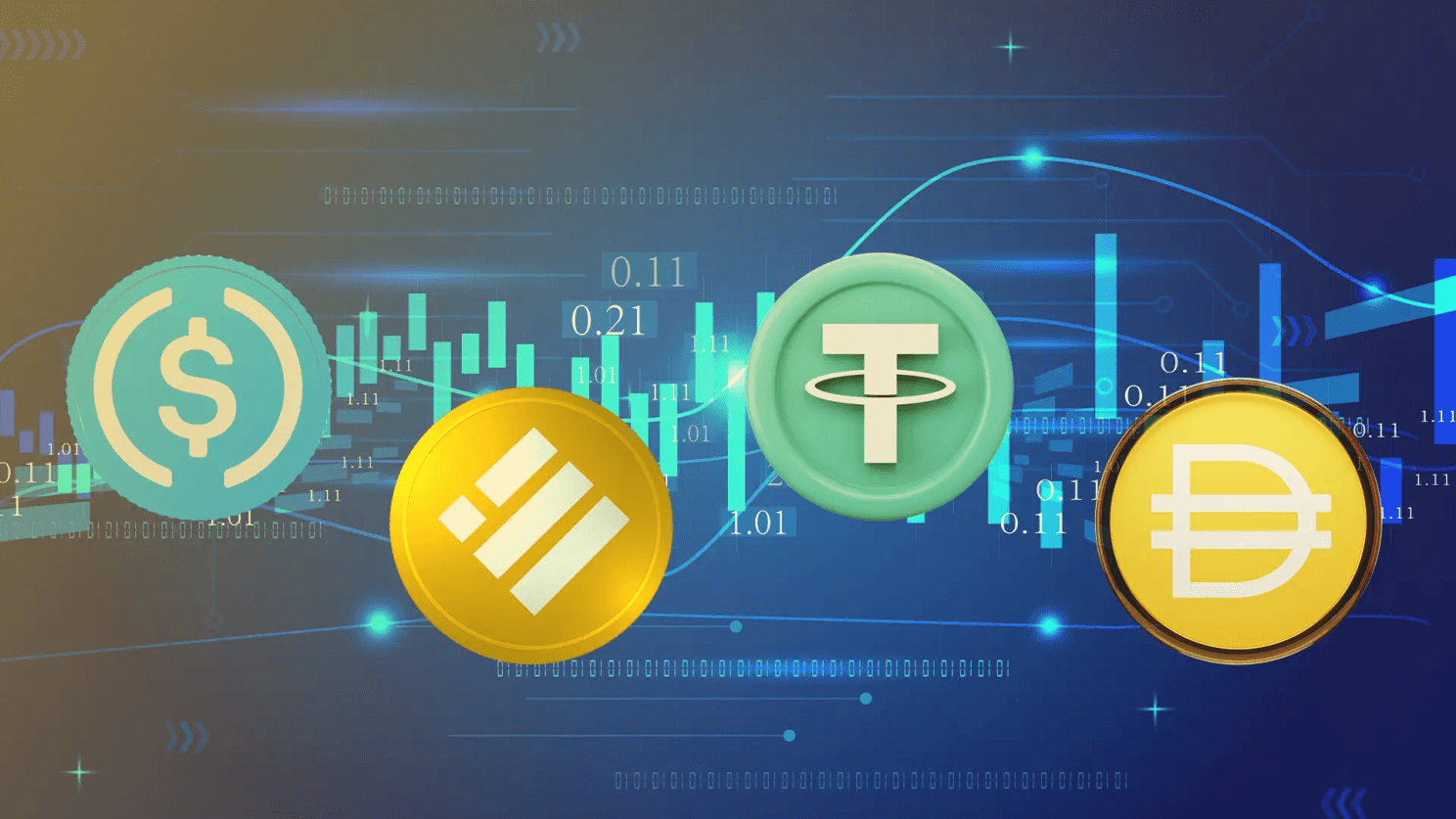
There has been a growing rush towards the idea of tokenisation, the process of creating digital representations of assets such as deposits, stocks and bonds that are stored on a blockchain[10]. There can be many benefits compared to other cryptocurrencies, such as stability, speed of transaction and cheaper cross-border payments. On Friday, a pilot scheme was announced to deliver tokenised sterling deposits with Barclays, Lloyds, HSBC, NatWest, Santander and Nationwide all signing up[11]. This follows an announcement on Thursday from European lenders launching a Euro-denominated stablecoin[10].
The momentum behind tokenisation has culminated in the rise of stablecoins, cryptocurrencies that are pegged directly to a real world asset such as the US dollar. The US dollar dominates the stablecoin market, with JP Morgan global research noting that they account for 99% of the stablecoin industry and 7% of the global crypto market[12]. Tether (USDT) is the largest of these, issued by Tether limited, which is currently seeking $20bn in private funding, at a $500bn valuation, making it one of the largest privately owned companies in the world[13].
Although expected to expand rapidly, with the JP Morgan Global Research team predicting its market cap to reach $500bn-$750bn, concerns remain over regulation and financial stability[12]. While seen as relatively stable assets, they face run risks and lack of consumer protection. The GENIUS act in the US, has set a global benchmark for the governance of tokenised assets and provided more regulatory clarity, prompting many US banks to reconsider entering the industry in the future. In July, Bank of England Governor Andrew Bailey has warned that stablecoins take money out of the banking system and could threaten financial stability. He has cautioned banks not to issue their own stablecoins. While the UK's Financial Conduct Authority is not expected to finalise stablecoin regulation until the end of 2026, the BoE has said banks can experiment with tokenised deposits under the existing framework[10].
Stablecoins could soon deliver faster, cheaper and more transparent payments, however to contain future risks, stronger regulatory oversight may be needed.
Tech💡
The $100,000 Visa: Silicon Valley’s New Barrier to Talent
Silicon Valley has long relied on the H-1B visa program to attract engineers, scientists, and developers from around the world. But a dramatic policy change announced this month has shaken the foundations of that model. The U.S. government will now require companies to pay a $100,000 fee for each H-1B visa application, a hundredfold increase from the previous $1,000 base filing fee[14].
The rationale, according to policymakers, is to reduce dependence on foreign labor and create more opportunities for American workers. Yet the immediate impact has been widespread alarm across the tech industry. Reuters reports that major firms in Silicon Valley have already frozen or delayed international hiring plans, with some considering offshoring entire teams to Canada, India, and Eastern Europe to bypass the costs[15].

This shift risks undermining an ecosystem that has historically thrived on global talent. Business Insider highlights that firms are now exploring alternative visa categories such as O-1 “extraordinary ability” visas or remote-first employment models, but these do not scale easily and often exclude the very mid-career engineers who drive execution at scale[16].
The new fees also disproportionately affect start-ups. Unlike giants such as Google or Apple, early-stage companies cannot easily absorb $100,000 per engineer. This could accelerate a talent gap where only the largest firms can afford skilled international hires, reinforcing their dominance and stifling innovation. Critics argue this directly conflicts with Silicon Valley’s tradition of entrepreneurial dynamism[17].
Reactions from investors have been equally sharp. The Times of India cited one prominent Silicon Valley billionaire who warned the policy could “backfire,” pushing engineering graduates from Indian universities—traditionally a major pipeline of U.S. tech talent—towards Europe and Asia instead[18]. If realised, this shift would benefit competitor ecosystems in Bangalore, Toronto, and Berlin, while eroding America’s position as the global hub of technology.
The debate over H-1B visas has always reflected competing priorities between labour market protection and economic competitiveness. By raising the cost of access so dramatically, the U.S. risks tipping the balance in favour of protectionism at the expense of innovation. For Silicon Valley firms navigating this new landscape, the challenge is clear: adapt hiring models quickly, or risk losing the very talent that has powered decades of growth.
Bonus Section
Looking Back: The 2008 Emergency Economic Stabilisation Act
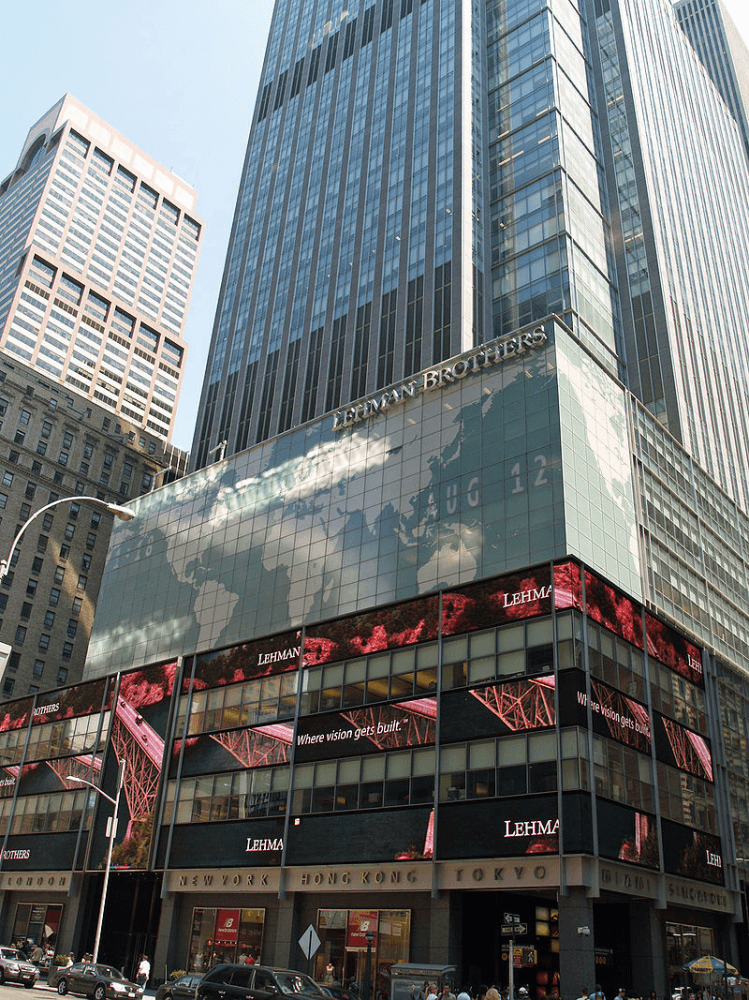
We revisit a major event from this week in financial history. On the 1st October 2008 we saw the US Senate pass the Emergency Economic Stabilisation Act (EESA), one of the most dramatic government interventions in financial history. This was an immediate response to the subprime mortgage crisis of 2008, just weeks after Lehman Brothers had collapsed. It authorised the Treasury to purchase up to $700bn of troubled assets and restore financial market liquidity[19], which ultimately paved the way for the Troubled Asset Relief Programme (TARP).
While the initial $700bn figure became politically controversial, the final cost was significantly lower, with the Treasury recovering much of the outlay and net spending coming in at around $390bn[20]. At the time, however, the legislation marked an extraordinary inflection point, signalling that the US government would act decisively to prevent systemic collapse.
The immediate reaction to the introduction of the EESA was a sharp sell-off in the three largest US indices, with the S&P 500, Dow Jones and Nasdaq all dropping significantly. This move reflected deep investor scepticism despite government action, especially considering the act failed to pass in the Senate on its first attempt. Within days there was a stabilisation in these equity indices, indicating that the EESA had some effect on market confidence.
Although the effects of the crisis did not end overnight, this landmark intervention sparked a debate around moral hazard, financial regulation and cemented ‘too big to fail’ as a defining post-crisis concept.
Editor: Dinel Gamage Liam Sanderson
Writer: Liam Sanderson Saaina Bajaj
References
[1] Financial Times - https://www.ft.com/content/792c1bc0-b983-4da5-90a5-745d9f714ea9
[2] Reuters - https://edition.cnn.com/2025/09/25/business/argentina-bailout-trump-milei
[3] Reuters - https://www.reuters.com/markets/argentina-renews-5-billion-activated-swap-line-with-china-2025-04-10/
[4] World Economic Forum - https://www.weforum.org/stories/2023/01/lithium-latin-america-energy-transition/
[5] KPMG - http://kpmg.com/us/en/articles/2025/latam-q3-2025-outlook.html
[6] FT – https://www.ft.com/content/095a60a4-9bde-4f40-bb20-95c02c95727b
[7] FT – https://www.ft.com/content/664d8d0f-0ed6-4963-a89b-74234a977148
[8] FT - https://www.ft.com/content/66f9bf5c-b412-4650-ab92-5b7d0d6ea002
[9] Reuters - https://www.reuters.com/world/first-brand-bankruptcy-probe-investigating-financing-irregularities-related-2025-09-30/
[10] Reuters - https://www.reuters.com/business/finance/uk-banks-press-with-tokenised-deposits-after-boe-stablecoin-warning-2025-09-26/
[12] JP Morgan - https://www.jpmorgan.com/insights/global-research/currencies/stablecoins
[13] Financial Times - https://www.ft.com/content/0739f8fc-4cfc-48e5-910b-f5375fafce8e
[14] BBC News - https://bbc.com/news/articles/ce3yy58lj79o
[16] Business Insider - https://www.businessinsider.com/h1b-visa-silicon-valley-alternative-options-o1-2025-9
[17] American Immigration Council - https://www.americanimmigrationcouncil.org/fact-sheet/h1b-visa-program-fact-sheet/
[18] Times of India.- https://timesofindia.indiatimes.com/technology/tech-news/billionaire-silicon-valley-investor-says-us-h-1b-visa-policy-could-backfire-engineers-from-indian-universities-are/articleshow/124094780.cms
[19] Investopedia - https://www.investopedia.com/terms/e/emergency-economic-stability-act.asp
[20] US Treasury - https://home.treasury.gov/system/files/266/ESSA%20FY11%20508.pdf
